

Home Modifications That Help Seniors Age in Place Safely
Most older adults want to stay in their own homes as they age, and the right aging in place home modifications make that possible. Falls are the leading cause of injury for seniors, yet most are preventable with targeted, often affordable changes. This room-by-room guide covers what works.
Why Home Modifications Matter
Research consistently shows that in-home care and environmental modifications improve quality of life for seniors: fewer falls, greater independence, delayed need for assisted living, and lower overall care costs. A $2,000 bathroom modification can prevent a $30,000 hip-fracture hospitalization. Modifications are among the highest-ROI investments a family can make.
Bathroom: The Highest-Priority Room
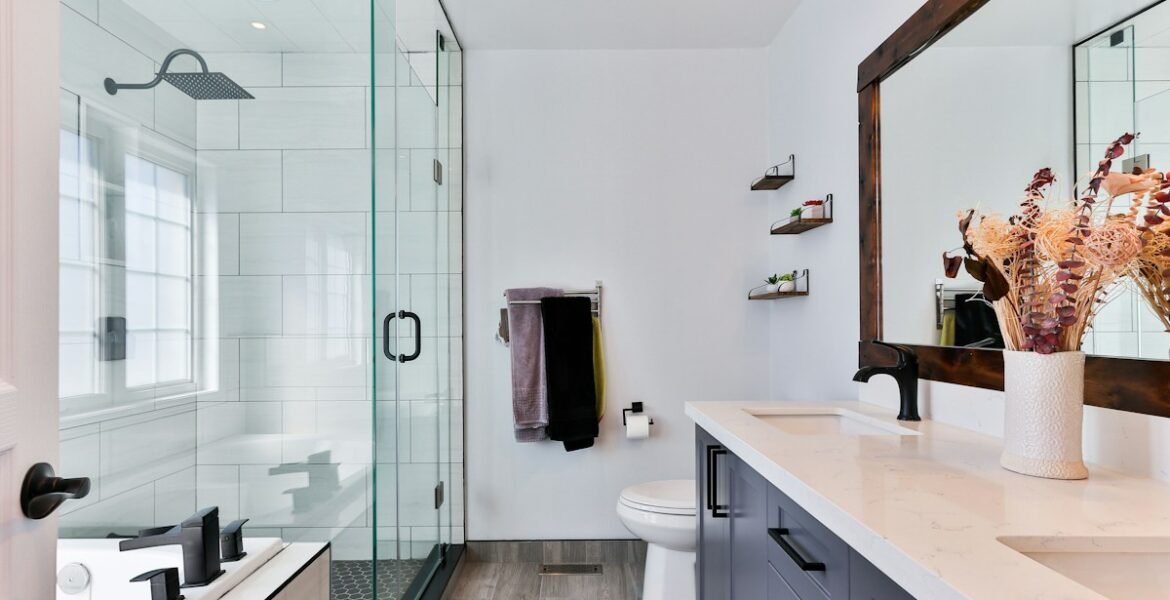
Wet, slippery, hard surfaces make bathrooms fall ground zero. Prioritize:
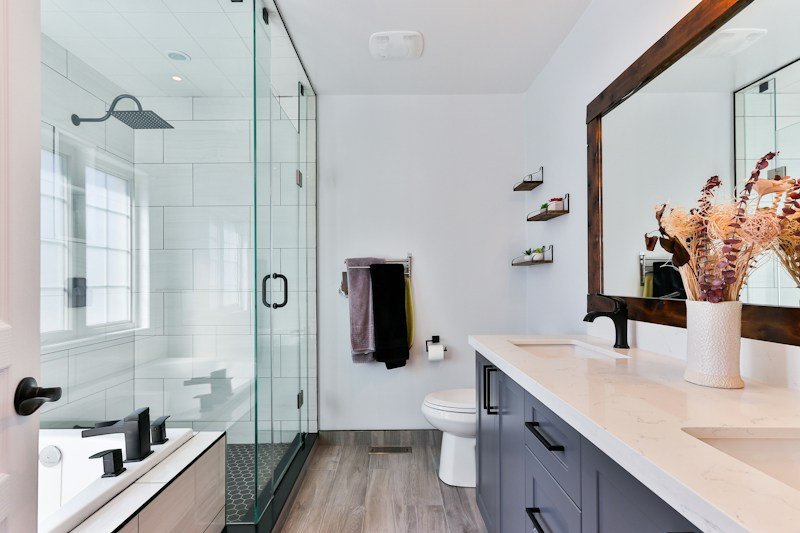
- Grab bars by the toilet and in the shower/tub ($30 to $80 each installed; must anchor to studs, not just tile).
- Walk-in or curbless shower replacing a high tub wall ($3,000 to $8,000, but transformative).
- Raised toilet (17 to 19 inches) with grab bars, or a $40 raised seat.
- Non-slip flooring or adhesive treads; handheld showerhead on a slide bar.
- Lever-handle faucets operable with a closed fist.
Entryways and Stairs
- Zero-step entry: even one 7-inch step defeats walkers and wheelchairs. A modular aluminum ramp ($500 to $2,000) or regraded walkway fixes it.
- Handrails on both sides of every stairway, extending past the top and bottom steps.
- Stairlift ($2,500 to $6,000) when stairs become unsafe; far cheaper than moving.
- Lever door handles throughout (arthritis-friendly, $15 to $30 each).
- Widened doorways to 32+ inches clear where wheelchairs may need passage.
Lighting, Flooring, and Fall Prevention
- Brighter, layered lighting: aging eyes need 2 to 3 times more light. Add motion-sensor nightlights along bedroom-to-bathroom paths.
- Remove trip hazards: throw rugs (or tape them down), cords across walkways, clutter on stairs.
- Contrasting edges: visually mark stair nosings and shower thresholds for low vision.
- Smart upgrades: voice-controlled lights and thermostats reduce risky reaching and bending (see our automation guide).
Kitchen Adjustments
Pull-out shelves eliminate deep-cabinet reaching, a side-opening wall oven prevents dangerous reaching over a hot door, and rocker light switches plus lever faucets help arthritic hands. Keep daily items between waist and shoulder height.
Paying for Modifications
Do not assume you must pay out of pocket. Grants, tax credits, and waiver programs can cover much of the cost; our senior grants and tax credits guide maps the options. Medically necessary modifications may also qualify as tax deductions (see home improvement tax write-offs).
Use our complete accessibility checklist to audit your own home room by room.
Frequently Asked Questions
What is the most important aging-in-place modification?
Bathroom safety (grab bars, curbless shower, raised toilet) delivers the biggest fall-reduction per dollar, followed by stair handrails and improved lighting.
How much does it cost to make a home wheelchair accessible?
Basic modifications (grab bars, ramps, lever handles, lighting) run $2,000 to $8,000. Full accessibility remodels with widened doorways and roll-in showers range $15,000 to $50,000+.
At what age should we start modifying?
Proactively in the 60s, not reactively after a fall. Gradual changes are cheaper, less disruptive, and let you enjoy the improvements for years.
Will modifications hurt resale value?
Well-designed universal-design features (curbless showers, wider doors, good lighting) increasingly add appeal as buyer demographics age. Institutional-looking add-ons can be minimized with thoughtful design.