

Smart Locks vs. Traditional Deadbolts: Which Is Right for Your Home?
Choosing between smart locks vs. traditional deadbolts is one of the most common questions homeowners ask when upgrading security. Both can protect your home well, but they solve different problems. This guide compares them head to head so you can pick with confidence.
How Each Lock Works
A traditional deadbolt is purely mechanical: a key turns a cylinder that throws a solid metal bolt into the door frame. No batteries, no apps, no connectivity. A smart lock adds electronic control on top of (or instead of) the key cylinder, letting you lock and unlock via keypad, phone app, fingerprint, or voice assistant, while usually retaining a physical key backup.
Security Comparison
Pick and bump resistance
A high-quality Grade 1 or Grade 2 deadbolt with anti-pick pins resists physical attacks very well. Many smart locks use the same graded deadbolt hardware underneath, so mechanical strength is comparable when you buy a reputable brand. Cheap no-name smart locks, however, often pair weak motors with weak bolts, so brand matters more than lock type here.
Digital attack surface
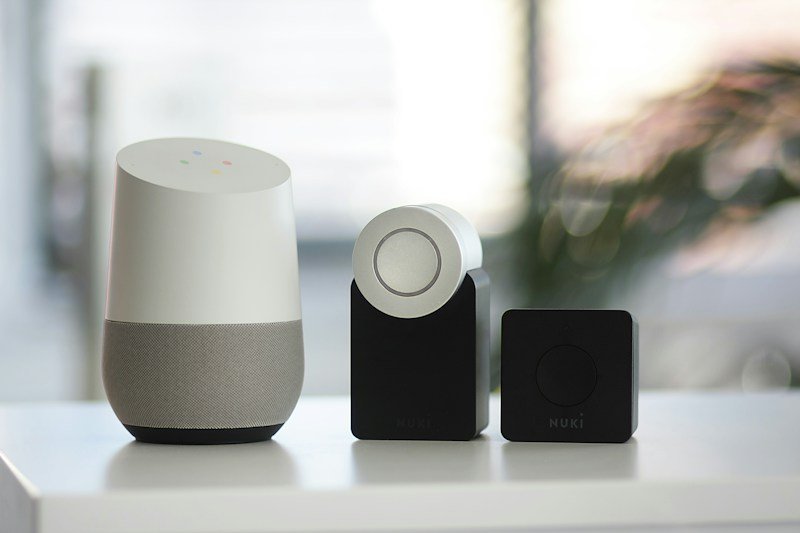
Traditional deadbolts cannot be hacked remotely, which is their quiet advantage. Smart locks add Bluetooth, Wi-Fi, or Z-Wave connectivity, which introduces theoretical hacking risk. In practice, documented smart-lock hacks target outdated models; current locks from established brands use encrypted communication. Still, if you want zero digital risk, a mechanical deadbolt wins.
Key control
This is where smart locks shine. Lost keys, copied keys, and unreturned contractor keys are non-issues when you can issue and revoke unique PIN codes per person and see an entry log. With a traditional deadbolt, rekeying ($15 to $25 per lock DIY, or a locksmith visit) is the only way to reset key control.
Cost Comparison
| Traditional Deadbolt | Smart Lock | |
|---|---|---|
| Hardware | $25 to $80 | $100 to $300 |
| Installation (DIY) | Free (30 min) | Free (30 to 45 min) |
| Locksmith install | $75 to $150 | $100 to $200 |
| Ongoing cost | $0 | Batteries ($10/yr); optional subscriptions |
Convenience and Lifestyle Fit
Smart locks are genuinely life-changing for busy households: no more hiding spare keys, no more lockouts, dog walkers and cleaners get time-limited codes, and you get alerts when kids arrive home. Traditional deadbolts are simpler and never need charging, which appeals if you prefer set-and-forget reliability or live somewhere with frequent power and internet outages.
Reliability: What Happens When Things Fail?
Quality smart locks warn you for weeks before batteries die, and nearly all include a physical key override plus emergency USB power contacts. Total electronic failure locking you out is extremely rare with reputable brands. Traditional deadbolts fail too (worn cylinders, broken keys), but any locksmith can service them anywhere.
Our Recommendation
Choose a smart lock if: you juggle family members, guests, or service providers; you want entry logs and remote control; you are comfortable changing batteries yearly.
Choose a traditional deadbolt if: you want maximum simplicity, zero connectivity risk, and the lowest cost; or you rent and your landlord restricts lock modifications (see security options for renters).
Best of both: many homeowners put a smart lock on the main entry and Grade 1 mechanical deadbolts on secondary doors.
Whichever you choose, pair it with the budget security upgrades in our DIY guide and consider adding cameras for a complete setup.
Frequently Asked Questions
Can smart locks be hacked?
Any connected device carries some risk, but modern smart locks from reputable brands use encrypted Bluetooth and Wi-Fi. There are no widespread reports of burglars hacking smart locks to enter homes; physical break-ins remain far more common.
Do smart locks work during a power outage?
Yes. Smart locks run on batteries, not house power, so outages do not affect them. Wi-Fi-dependent remote features pause until internet returns, but keypad and Bluetooth unlocking keep working.
How long do smart lock batteries last?
Typically 6 to 12 months with normal use. Most locks give low-battery warnings weeks in advance through the app and with audible beeps.
Will a smart lock fit my existing door?
Most retrofit smart locks are designed for standard US deadbolt bore holes (2-1/8 inch) and backsets. Measure your door thickness and backset before buying, and check the manufacturer’s compatibility guide.