


How to Improve Your Home Automation Skills: A Beginner’s Roadmap
Smart homes can feel intimidating, but building home automation skills is easier than ever. You do not need to be technical; you need a roadmap. This guide takes you from your first smart plug to a genuinely integrated home, one step at a time.
Start Small: The First Three Devices
- Smart plug ($15): automate a lamp on a schedule. Instant gratification, zero risk.
- Smart bulb ($12): dimming, scheduling, and color for one room.
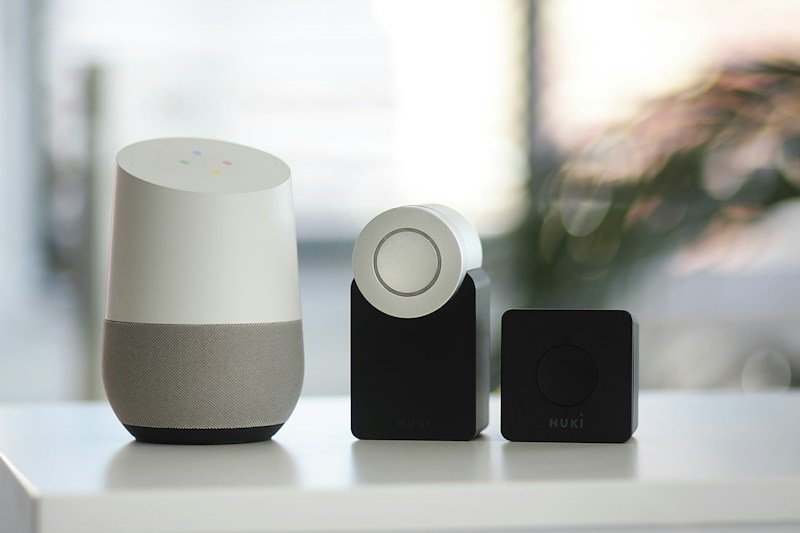
- Video doorbell or smart speaker ($50+): your first device with real daily utility.
Live with these for two weeks. If you enjoy the convenience, you are ready for the next level.
Choose Your Platform (and Stick With It)
The big ecosystems are Google Home, Amazon Alexa, Apple HomeKit, and the open standard Matter. Matter is the industry’s attempt to end compatibility wars: new devices labeled Matter-compatible work across platforms. Practical advice: pick the ecosystem matching the phone and speaker you already own, and prefer Matter-labeled devices for everything new. Mixing platforms is the number one beginner frustration.

Automations Worth Building First
- Goodnight routine: one command locks doors, turns off lights, lowers the thermostat, and arms cameras (pairs beautifully with smart locks and cameras).
- Morning lights: bedroom lights fade up 15 minutes before your alarm.
- Away mode: geofencing turns everything off and on with your location.
- Leak alerts: $30 water sensors under sinks and behind washers text you at the first drip.
Where to Learn More
Level up with our home improvement classes guide (many cover smart home topics), manufacturer YouTube channels, and the r/homeautomation community for troubleshooting. The learning curve flattens fast after your first five devices.
Troubleshooting Common Beginner Mistakes
- Wi-Fi overload: 30+ devices on a single router band causes dropouts. Use a mesh system and put IoT devices on 2.4 GHz.
- Too many apps: consolidate into one platform app; delete the rest.
- No neutral wire: older homes often lack neutral wires for smart switches. Check before buying, or choose battery/no-neutral models.
- Automating chaos: if a routine misfires, simplify it. One reliable automation beats five flaky ones.
Frequently Asked Questions
How much does it cost to start with home automation?
$50 to $100 covers a genuinely useful starter set (smart plug, bulb, speaker). A solid whole-home foundation runs $500 to $1,500.
Is Matter really important?
Increasingly yes. It is the best insurance against buying into a dying ecosystem, and most major 2024+ devices support it.
Can renters do home automation?
Absolutely; it is the most renter-friendly upgrade category. Plugs, bulbs, and battery sensors need no permanent changes. See our renter security guide.
What is the biggest smart home security risk?
Weak passwords and unpatched firmware. Use unique passwords, enable two-factor authentication, and let devices auto-update.